

Inquiry On WhatsApp
+86 15810942923 
Product Classification
Views: 85 Author: Site Editor Publish Time: 2025-09-03 Origin: Site


PU foam boards, also known as polyurethane foam boards, are a widely used type of insulation material known for their excellent thermal performance and durability. Alongside other common insulation materials such as EPS (expanded polystyrene), XPS (extruded polystyrene), fiberglass, mineral wool, and spray foam, PU foam boards offer unique benefits that make them suitable for various building applications.
This article aims to provide a clear comparison between PU foam boards and these other insulation options. By examining their properties, advantages, and best use cases, readers will gain insight into why PU foam boards may be the optimal choice for improving energy efficiency and comfort in buildings.
PU foam board, or polyurethane foam board, is a rigid insulation material made from polyurethane, a polymer known for its excellent thermal insulation. These boards have a closed-cell structure, offering high compressive strength, low thermal conductivity, and strong moisture resistance. Lightweight and durable, PU foam boards are ideal for various building insulation uses.
PU foam boards are produced through a chemical reaction between polyols and isocyanates, creating a foam that expands and hardens into a rigid panel. The process requires careful control of temperature and chemical ratios to maintain consistent density and quality. After formation, the foam is cut into boards and often laminated with protective facings to improve durability and environmental resistance.
EPS foam boards are made from expanded polystyrene beads fused together. They provide good thermal insulation at a low cost and are lightweight and easy to handle. However, EPS has higher thermal conductivity than PU foam boards, offering less insulation per thickness. It is also more prone to moisture absorption, which can reduce effectiveness over time.
XPS foam boards are produced by extrusion, resulting in a dense, closed-cell structure. This makes XPS more moisture resistant and mechanically stronger than EPS. While XPS performs better thermally than EPS, it generally has lower insulation efficiency than PU foam boards. XPS is often used in below-grade applications for its moisture resistance.
Fiberglass insulation is made of fine glass fibers woven into mats or batts. It is popular due to affordability and fire resistance. However, thicker layers are needed to match the thermal resistance of PU foam boards. Fiberglass is prone to moisture retention, which can cause mold and degrade insulation if not properly protected.
Mineral wool consists of natural or recycled rock materials melted and spun into fibers. It offers excellent fire resistance and soundproofing. Like fiberglass, it requires thicker installation to match PU foam board’s thermal resistance and can be affected by moisture without proper vapor barriers.
Spray foam is applied as a liquid that expands and hardens, forming a seamless insulation layer. It offers excellent thermal resistance and air sealing. There are open-cell and closed-cell types; closed-cell spray foam has insulation properties similar to PU foam boards but is usually more expensive and requires professional installation.
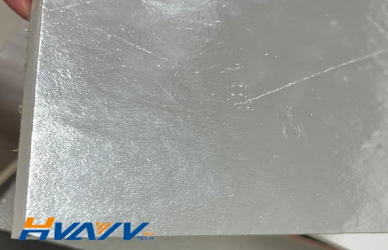
PU foam boards are known for their low thermal conductivity, typically between 0.020 and 0.028 W/m·K, indicating strong resistance to heat flow. Their R-values usually range from 6 to 7 per inch of thickness, outperforming many other insulation materials. In comparison, EPS foam boards have a thermal conductivity around 0.035 W/m·K, and fiberglass insulation ranges from 0.035 to 0.045 W/m·K, showing lower insulation efficiency per thickness.
Thanks to their superior thermal properties, PU foam boards can achieve the same or better energy efficiency with thinner layers than other materials. This makes them ideal for applications where space is limited but insulation cannot be compromised. Their closed-cell structure also minimizes air infiltration, improving the building’s overall envelope performance. As a result, buildings insulated with PU foam boards enjoy lower heating and cooling demands, greater comfort, and reduced energy expenses.
PU foam boards have a closed-cell structure that provides excellent resistance to moisture absorption. This prevents water infiltration and vapor penetration, reducing the risk of mold and insulation degradation. Compared to materials like fiberglass and mineral wool, which tend to retain moisture, PU foam boards maintain performance even in humid or wet conditions. EPS and XPS also resist moisture well, but PU foam often outperforms EPS due to its denser cells.
PU foam boards offer high compressive strength, making them suitable for areas with mechanical loads such as floors and roofs. Their rigidity prevents deformation and compression over time, preserving insulation effectiveness. In contrast, fiberglass and mineral wool lack structural strength and may settle or compress, reducing insulation value. PU foam boards also show long-term durability, resisting aging and chemical breakdown to ensure lasting building performance.
PU foam boards are lightweight and rigid, making them easy to handle and cut on-site. This enables quick, accurate installation, saving labor time and costs. Unlike spray foam insulation, which needs specialized equipment and trained installers, PU foam boards can be installed with basic tools, suitable for many projects. In contrast, fiberglass and mineral wool require protective gear during installation due to airborne fibers, adding complexity and safety concerns.
PU foam boards are versatile, used in walls, roofs, floors, and foundations. Their strong moisture resistance makes them ideal for below-grade areas and places exposed to humidity or water. They perform well in both residential and commercial buildings across various climates—from cold regions needing high insulation to hot climates requiring heat rejection. Fiberglass suits dry, interior areas better, while XPS is favored in wet environments but generally has lower thermal efficiency than PU foam boards.
PU foam boards are often made with blowing agents that have low global warming potential (GWP), reducing their environmental impact compared to older versions. They have a long service life, minimizing waste and replacements. EPS and XPS also offer energy-efficient insulation but may use higher-GWP agents, though improvements are underway. Fiberglass and mineral wool come from natural or recycled materials and are generally recyclable, but their production can be energy-intensive. Spray foam insulation varies, with some eco-friendly formulations available.
PU foam boards contribute significantly to green building certifications like LEED, BREEAM, and WELL. Their high insulation efficiency supports energy savings, a key factor in these standards. Additionally, many manufacturers now produce PU foam boards that comply with strict environmental regulations, limiting harmful chemicals and emissions. This helps builders achieve sustainability goals and obtain necessary eco-friendly construction certifications.
PU foam boards generally have a higher upfront material cost compared to traditional insulation materials like fiberglass or EPS foam boards. However, their superior thermal performance often allows for thinner applications, potentially reducing the total quantity of material needed. XPS foam boards tend to be priced between EPS and PU foam boards, while spray foam insulation can be the most expensive option due to specialized application requirements.
While PU foam boards may have a higher initial price, their lightweight nature and ease of installation can lower labor costs and shorten project timelines. Unlike spray foam, which requires professional installers, PU foam boards can often be installed with standard tools, further reducing expenses. Additionally, their durability and moisture resistance reduce the need for frequent repairs or replacements, leading to lower maintenance costs over the building’s lifespan. In contrast, materials like fiberglass may require additional vapor barriers or frequent replacement if damaged by moisture, increasing long-term costs.
This detailed comparison shows that PU foam boards stand out for their superior thermal performance, excellent moisture resistance, durability, and ease of installation. While their upfront material cost may be higher than some alternatives, the long-term energy savings and reduced maintenance needs make them a cost-effective solution for many building projects. PU foam boards are especially suitable for applications requiring high insulation efficiency and durability in various environmental conditions.
For builders, architects, and homeowners looking to optimize building insulation, PU foam boards offer a reliable and sustainable choice. To explore high-quality PU foam board products and tailored insulation solutions, consider contacting Huayu New Tech (Beijing) International Trade Co., Ltd. Their expertise can help you achieve better energy efficiency and building performance.


