

Inquiry On WhatsApp
+86 15810942923 
Product Classification
Views: 106 Author: Site Editor Publish Time: 2025-11-26 Origin: Site


Polyiso board is a high-performance insulation material widely used in commercial and residential construction for its excellent thermal resistance and moisture control properties. It helps improve building energy efficiency while contributing to a comfortable indoor environment. However, its performance can be compromised if the boards are not stored and handled correctly on construction sites. Proper storage and handling not only protect polyiso boards from physical damage, moisture, and UV exposure but also ensure they maintain their intended insulation value and are installed to meet quality standards.
Polyiso board is a type of rigid foam insulation known for its exceptional thermal resistance (high R-value per inch) and relatively low weight. This combination makes it easy to transport, cut, and install on construction sites without heavy lifting equipment. Despite being lightweight, its rigid structure provides excellent dimensional stability, allowing it to maintain shape and performance over time.
While polyiso boards perform well across a wide temperature range, prolonged exposure to extreme heat or cold before installation can affect their surface facings and insulation value. In hot climates, excessive heat can warp or delaminate the facers, while in very cold conditions, boards can become more brittle and susceptible to cracking.
Polyiso boards have a closed-cell structure that resists water absorption; however, the facings can still be damaged by prolonged contact with moisture. Water intrusion may compromise adhesion, reduce insulation performance, and lead to mold growth on nearby materials. Additionally, the boards can be dented, chipped, or punctured if mishandled, which not only affects their appearance but may also reduce their effectiveness as a continuous insulation layer.
When storing polyiso board on a construction site, choosing the right location is essential to preserve the material’s quality and performance. Avoid placing the boards in areas that are exposed directly to harsh environmental elements such as direct sunlight, rain, or snow, since prolonged exposure can lead to warping, surface deterioration, and even moisture infiltration into the boards. Ideally, the storage area should be dry, well-ventilated, and free from standing water. Additionally, ensure the surface where the boards rest is flat and level to prevent deformation over time. Proper site selection helps maintain the boards’ physical integrity until they are ready to be installed.
Although polyiso boards are manufactured with some degree of moisture resistance, prolonged or repeated exposure to water can still damage them. To avoid this, always cover stored boards with high-quality waterproof tarps or protective wrapping, ensuring that no rain, snow, or condensation can reach the insulation material. Moreover, exposure to ultraviolet (UV) rays from sunlight over extended periods can cause degradation of the board’s outer facers, reducing their protective qualities and thermal performance. Shielding the boards from direct sunlight by storing them indoors or under UV-resistant covers is highly recommended to preserve their long-term effectiveness.
Proper stacking practices are vital to maintaining the structural integrity of polyiso boards during storage. Boards should always be stored flat and fully supported across their entire surface to prevent any bending, warping, or distortion that could occur from uneven pressure points. Avoid stacking the boards too high, as excessive weight from upper layers can lead to compression damage on the boards below, reducing their insulating properties and potentially causing permanent deformation. Following these stacking and weight distribution guidelines ensures that each polyiso board retains its full insulation value and remains in excellent condition, ready for optimal performance during installation.
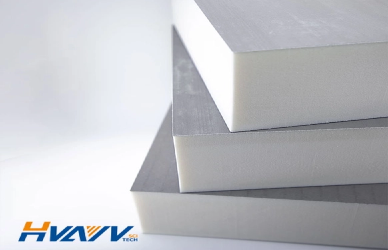
When handling polyiso board manually, safety and product care go hand in hand. Always wear gloves to protect your hands from cuts, abrasions, or contact with rough edges. Large or long boards should be lifted by two people, ensuring even weight distribution and minimizing the risk of bending or snapping. This approach not only protects workers but also maintains the structural integrity of the insulation panels.
For bulk movement of polyiso board using forklifts, cranes, or other lifting equipment, maintaining stability is critical. Operators should keep the load balanced to prevent slipping or tipping during transport. Special care must be taken to avoid hitting or scraping edges and corners, as even minor damage can compromise the board’s thermal performance and ease of installation. Using padded supports or specialized lifting attachments can further reduce the risk of damage during mechanical handling.
When moving polyiso boards around a construction site, stability is key. Flatbed carts or pallets provide a stable, level platform that reduces the risk of bending or cracking the boards during transport. Boards should be stacked evenly to avoid uneven weight distribution, which can lead to warping. Using proper equipment not only protects the insulation material but also improves efficiency in handling.
To prevent shifting or falling while in transit, polyiso boards should always be secured with straps, ropes, or shrink wrap. This is especially important when transporting multiple boards on uneven terrain or over long distances within the site. Proper securing minimizes the risk of edge damage and surface abrasions, helping maintain the board’s insulating performance and ensuring it’s ready for precise installation.
One of the most frequent errors on construction sites is storing polyiso boards without adequate cover during rain or wet weather. Exposure to moisture can lead to surface damage, reduce the board’s insulation performance, and cause swelling or delamination. Always ensure boards are properly protected with waterproof tarps or plastic sheeting to maintain their integrity.
Placing polyiso boards directly on uneven or unstable ground can cause warping, bending, or permanent deformation. This compromises their flatness, making installation difficult and reducing thermal effectiveness. Boards should always be stored on a flat, level surface that evenly supports their weight to prevent distortion.
Polyiso boards, though durable, can be damaged by rough or careless handling. Dropping, dragging, or dropping heavy objects onto the boards may cause cracks, dents, or chipped edges, which impair insulation quality and complicate fitting. Always handle boards gently, use appropriate lifting techniques, and avoid contact with sharp or heavy tools.
Proper storage and handling of polyiso board are essential to preserve its insulation properties and ensure a successful installation. Following best practices—such as protecting boards from moisture, storing them on level surfaces, and handling them carefully—helps maintain their structural integrity and thermal efficiency throughout the construction process.
Contractors and builders are encouraged to adhere to these guidelines to maximize the performance and longevity of polyiso insulation in their projects. For more detailed information, expert advice, and high-quality polyiso board products, consider reaching out to Huayu New Tech (Beijing) International Trade Co., Ltd. Their professional support can help you select the right materials and implement effective insulation solutions tailored to your specific needs.


