

Inquiry On WhatsApp
+86 15810942923 
Product Classification


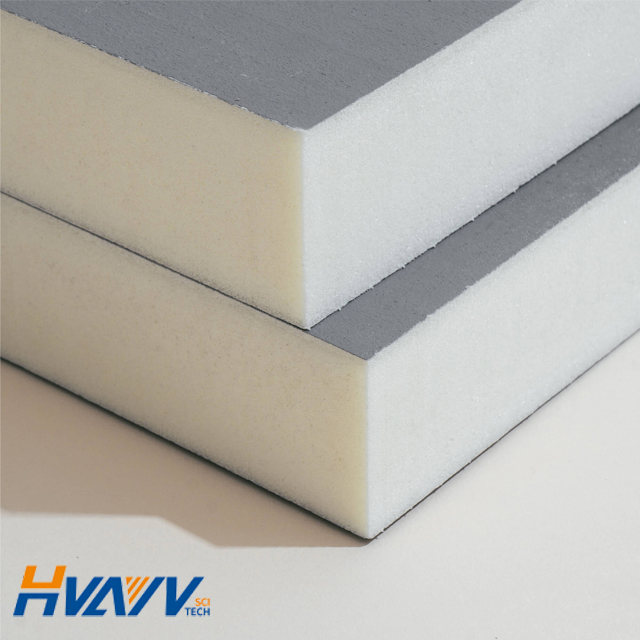


1. Composition:


Energy efficiency in modern architecture starts from the ground up. While many focus on walls and roofs, the floor system is often the primary source of thermal loss in residential and industrial buildings.

When homeowners or contractors discuss HVAC systems, the mention of "duct board" often sparks a heated debate.

Upgrading a building’s thermal envelope requires more than just picking a good material. It demands a systematic approach to assembly.

Building an air plenum box is a critical step in any HVAC installation. It acts as the central hub where air collects before being distributed through the ductwork.


