

Inquiry On WhatsApp
+86 15810942923 
Product Classification
Views: 0 Author: Site Editor Publish Time: 2025-08-15 Origin: Site


Insulating buildings in cold climates presents unique challenges, including extreme temperature fluctuations, high heating demands, and the risk of moisture buildup that can lead to structural damage and energy loss. Effective insulation is critical to maintaining indoor comfort and reducing energy consumption in these harsh environments. PIR insulation boards, or polyisocyanurate boards, are a popular choice due to their excellent thermal performance and durability. This article aims to highlight the key advantages of using PIR insulation boards specifically in cold climate applications, demonstrating why they are an ideal solution for improving energy efficiency and building resilience.
PIR insulation boards are known for their exceptionally low thermal conductivity, typically ranging between 0.020 to 0.025 W/m·K. This means they effectively resist heat flow, reducing thermal bridging and minimizing heat loss through the building envelope. Correspondingly, PIR boards offer a high R-value—often around 6 to 7 per inch of thickness—making them one of the most efficient rigid insulation materials available on the market today.
The superior thermal resistance of PIR boards enables buildings in cold climates to retain heat more effectively. This reduces the demand on heating systems, leading to significant energy savings and lower utility bills. Additionally, by maintaining stable indoor temperatures, PIR insulation contributes to enhanced occupant comfort and reduces the risk of cold spots or drafts within the building.
Compared to other common insulation materials such as expanded polystyrene (EPS), extruded polystyrene (XPS), fiberglass, and mineral wool, PIR insulation boards generally provide higher thermal performance at a thinner profile. While EPS and XPS are popular choices, their thermal conductivity tends to be higher, requiring thicker installations to achieve similar R-values. Fiberglass and mineral wool, though effective in some applications, can lose insulating properties when exposed to moisture—a common concern in cold, humid climates. Therefore, PIR boards offer a more reliable and space-efficient solution for cold climate insulation needs.
In cold climates, controlling moisture inside building envelopes is vital to avoid mold, wood rot, and structural damage. Condensation forms when warm indoor air hits cold surfaces, causing dampness that harms insulation and building integrity. Proper moisture control supports healthy indoor air and extends material lifespan.
PIR insulation boards have a closed-cell foam structure that resists water absorption and vapor penetration. Unlike open-cell materials, their dense cells act as a strong moisture barrier, preventing water damage and preserving insulation performance over time.
PIR boards’ combination of thermal and moisture resistance helps lower condensation risks. By maintaining stable surface temperatures in walls, roofs, and floors, they reduce cold spots where condensation forms. Used with vapor barriers and proper ventilation, PIR boards create a dry, durable, and energy-efficient building envelope fit for harsh cold climates.
PIR insulation boards exhibit excellent structural stability even when exposed to the repetitive freezing and thawing cycles common in cold climates. Their rigid, closed-cell foam structure resists cracking, warping, or degradation caused by temperature fluctuations. This stability ensures that the insulation continues to perform effectively year after year without losing its shape or insulating properties.
Thanks to their high compressive strength, PIR boards can withstand significant mechanical loads and pressures without deforming. This makes them suitable for use in areas subject to foot traffic, heavy roofing materials, or other structural stresses. Their durability reduces the likelihood of damage during installation and in-service, maintaining consistent insulation performance throughout the building’s lifespan.
The combined properties of thermal resistance, moisture repellency, and mechanical strength contribute to the long-term durability of PIR insulation boards in harsh environments. Unlike some insulation materials that deteriorate or lose effectiveness over time due to moisture or physical wear, PIR boards retain their insulating capacity and structural integrity for decades. This longevity not only enhances building performance but also reduces maintenance and replacement costs, making PIR boards a cost-effective solution for cold climate construction.
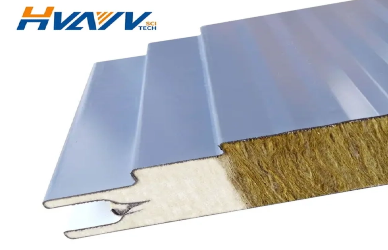
PIR insulation boards are designed with inherent fire-resistant properties that make them suitable for use in cold climate buildings where safety is paramount. These boards typically contain fire-retardant additives that help slow the spread of flames and reduce smoke generation during a fire. Their rigid structure also contributes to maintaining the integrity of the insulation layer under high temperatures, providing valuable time for occupants to evacuate and for fire services to respond.
PIR insulation boards are manufactured to meet stringent building codes and fire safety regulations applicable in many regions, including those with harsh cold climates. Compliance with standards such as ASTM E84 (Surface Burning Characteristics), EN 13501-1 (Fire Classification of Construction Products), and other local requirements ensures that PIR boards can be confidently used in commercial and residential construction projects. Proper installation and integration with fire barriers further enhance the overall fire safety of the building envelope.
PIR insulation boards help reduce a building’s carbon footprint by improving energy efficiency. Their excellent thermal performance minimizes heat loss in cold climates, lowering heating needs. This reduction in energy use leads to fewer greenhouse gas emissions from fossil-fuel heating systems. By enhancing building envelope efficiency, PIR boards promote sustainable building practices and lessen environmental impact.
Thanks to their energy-saving features and eco-friendly nature, PIR insulation boards are widely accepted in green building certifications like LEED, BREEAM, and Passive House. These programs focus on energy conservation and sustainable materials, making PIR boards ideal for cold climate projects seeking high sustainability ratings. Using PIR boards helps meet these standards while fostering healthier and greener indoor environments.
PIR insulation boards are commonly used in walls, roofs, and floors to improve thermal performance in cold climates. In walls, they reduce thermal bridging and boost energy efficiency. For roofs, PIR boards effectively prevent heat loss, suitable for both flat and pitched roofs. When placed under floors or slabs, they help keep indoor spaces warm and lower heating costs. Their lightweight and durable nature makes installation easy across various building parts.
Many projects in cold regions have successfully used PIR insulation boards to enhance energy savings and durability. For instance, an office retrofit in Northern Europe significantly cut heating needs by adding PIR boards to walls and roofs. A Canadian residential project used PIR under concrete slabs to improve comfort and reduce energy bills during winter. These examples show PIR boards’ practical benefits in cold climate construction.
PIR insulation boards offer numerous advantages for cold climate buildings, including superior thermal performance, excellent moisture resistance, enhanced structural strength, and compliance with fire safety standards. Their ability to improve energy efficiency while providing long-term durability makes them an ideal choice for builders and developers working in harsh, cold environments.
For those seeking high-quality PIR insulation solutions, Huayu New Tech (Beijing) International Trade Co., Ltd. provides reliable products and expert support tailored to meet the specific demands of cold climate construction. We highly recommend contacting Huayu New Tech to learn more about their innovative insulation materials and how they can help optimize your next project.


