

Inquiry On WhatsApp
+86 15810942923 
Product Classification
Views: 0 Author: Site Editor Publish Time: 2025-06-16 Origin: Site


Rigid foam insulation board stands out as the best choice for your basement wall insulation. You get top-tier moisture resistance and strong protection against mold, which helps your basement stay dry. Take a look at its energy-saving power:
Insulation Type | R-Value per Inch |
|---|---|
Rigid foam board | R-3.8 to R-8 |
Fiberglass batts | R-2.75 to R-5.25 |
Cellulose | R-3.6 to R-3.8 |
Cotton batts | ~R-3.4 |
Spray foam | R-3.6 to R-6.5 |
You can count on insulation for basements to deliver lasting performance. Studies show that rigid foam insulation board keeps its strength and moisture resistance in real-world conditions:
R-value for XPS stays high even after 31 years.
EPS needs more thickness than XPS for the same result.
Moisture affects EPS more than XPS, but both protect your basement for decades.
Rigid foam insulation boards help keep basements dry. They block water and stop mold from growing well. They save energy by slowing down heat loss. This helps lower your heating and cooling bills. You can put in rigid foam boards by yourself. Make sure to seal all seams and joints well. This stops air from leaking out. Rigid foam insulation lasts for many years. It keeps its power to insulate even when the basement is damp. Always get your basement ready by fixing leaks first. Use continuous insulation and seal it well for the best results.
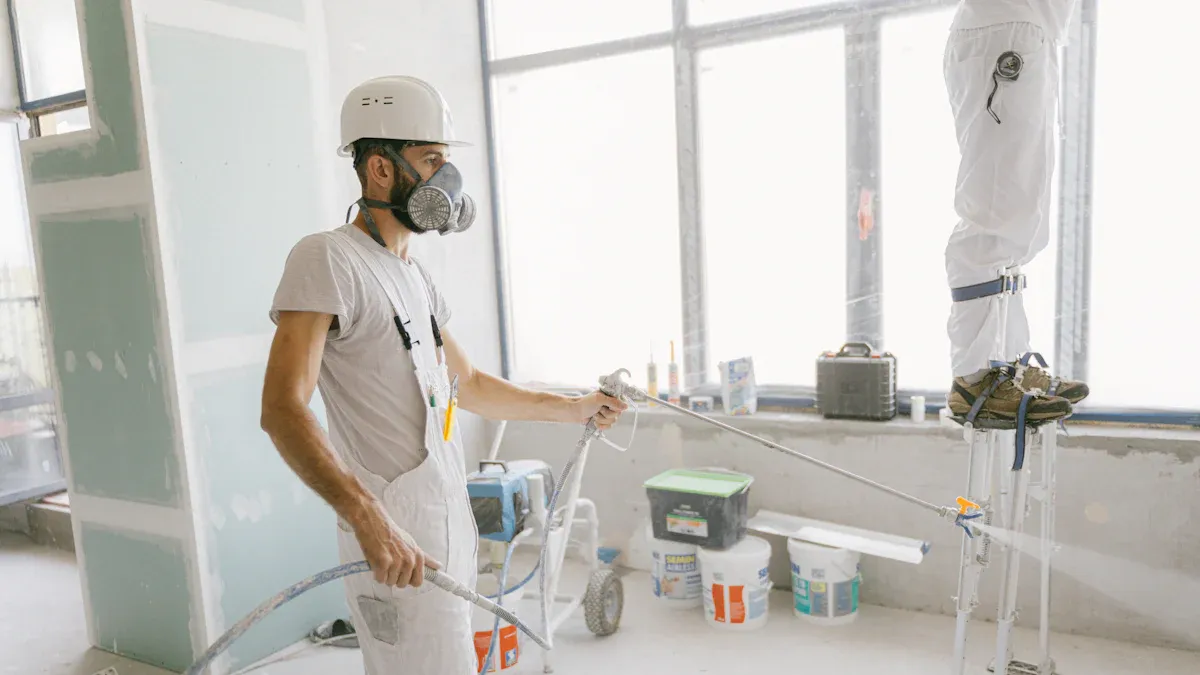
There are different kinds of rigid foam insulation for basements. Each kind has its own good points and works in its own way. The most common types are expanded polystyrene (EPS), extruded polystyrene (XPS), polyisocyanurate (Polyiso), and expanded polyurethane (EPU). You can look at the table below to compare them:
Insulation Type | R-Value per Inch | Moisture Resistance | Cost | Special Properties / Notes |
|---|---|---|---|---|
Expanded Polystyrene (EPS) | 3.6 - 4.2 | Needs moisture-resistant coating or film if exposed to water | Budget-friendly | Good for attics, roofs, wall cavities; lower R-value than others |
Extruded Polystyrene (XPS) | ~5.0 | Better moisture resistance without coating | Higher cost | Denser, more durable; suitable for below-grade applications |
Polyisocyanurate (Polyiso) | ~6.5 | Absorbs water, not suitable below grade | Most expensive | Eco-friendly (9% recycled content), less toxic flame retardant; highest R-value |
Expanded Polyurethane (EPU) | ~5.9 | Durable | N/A | Used in insulated concrete forms; hollow blocks left in place as concrete cures |
Mineral Wool | N/A | Not affected by moisture | More expensive | Non-toxic, fireproof, soundproof, does not off-gas, not an air barrier |
XPS is a great pick for basement walls. Its closed cells help block water and keep its R-value high for a long time. EPS is good in dry places but needs extra help to stay dry. Polyiso has the highest R-value, but it does not work well below ground because it soaks up water.
Rigid foam insulation board helps your basement stay warm by stopping heat from moving in or out. Its closed cells are the secret. Each cell holds a special gas that slows down heat. This makes it hard for heat to get through. The closed cells also keep water out, so the board works even when it is damp.
When you use rigid foam insulation, you make a barrier that stops heat and water. XPS and EPS are made in different ways, but both have tight closed cells. These cells keep water away and hold the gas inside. Polyisocyanurate is made a bit differently, but it also keeps heat out really well. Some gas may leave the board over time, but it still keeps most of its power.
Rigid foam board lasts a long time in basements. It does not soak up much water, keeps its shape, and holds its R-value. If you pick rigid foam insulation board, you get something that works well even in tough basement spaces.
Fiberglass is a cheap and simple way to insulate basements. But it soaks up water and holds it in the fibers. This makes it easy for mold and mildew to grow. Rigid foam insulation does not take in water. It keeps water out and helps your basement stay dry. It stops mold better and has a higher R-value for each inch.
Aspect | Rigid Foam Insulation | Fiberglass Insulation |
|---|---|---|
Moisture Resistance | Does not absorb moisture | Absorbs moisture |
Mold Prevention | Excellent | Poor |
R-Value (per inch) | 3.6–8.0 | 2.75–5.25 |
Installation | Needs careful sealing | Easy DIY |
Durability | Lasts decades | Can compress or sag |
Tip: Pick rigid foam insulation if you want a dry basement and less mold.
Spray foam insulation seals air well and acts as a vapor barrier. It blocks drafts and water very well. But it costs more and needs a pro to install it. Rigid foam insulation also keeps out water and mold. You must seal the edges and joints to stop air leaks. You can put in rigid foam board by yourself, which saves money.
Performance Metric | Spray Foam Insulation | Rigid Foam Board |
|---|---|---|
R-Value (per inch) | Higher (up to 7) | 3.6–8.0 |
Moisture Resistance | Excellent | Very good |
Air Sealing | Superior | Needs sealed joints |
Installation | Professional only | DIY possible |
Cost | Highest | High |
You want insulation that keeps your basement dry and warm. Rigid foam insulation has a high R-value and strong water resistance. It lasts a long time and works inside or outside basement walls. If you install it right, you can cut heat loss by up to 30%. Always seal gaps and joints to keep air out.
Rigid foam insulation keeps out water and mold.
It saves energy and lowers your bills.
You can install rigid foam board yourself.
It lasts for many years and needs little care.
Note: Basement walls lose lots of heat. Good insulation like rigid foam insulation makes your home warmer and saves energy.
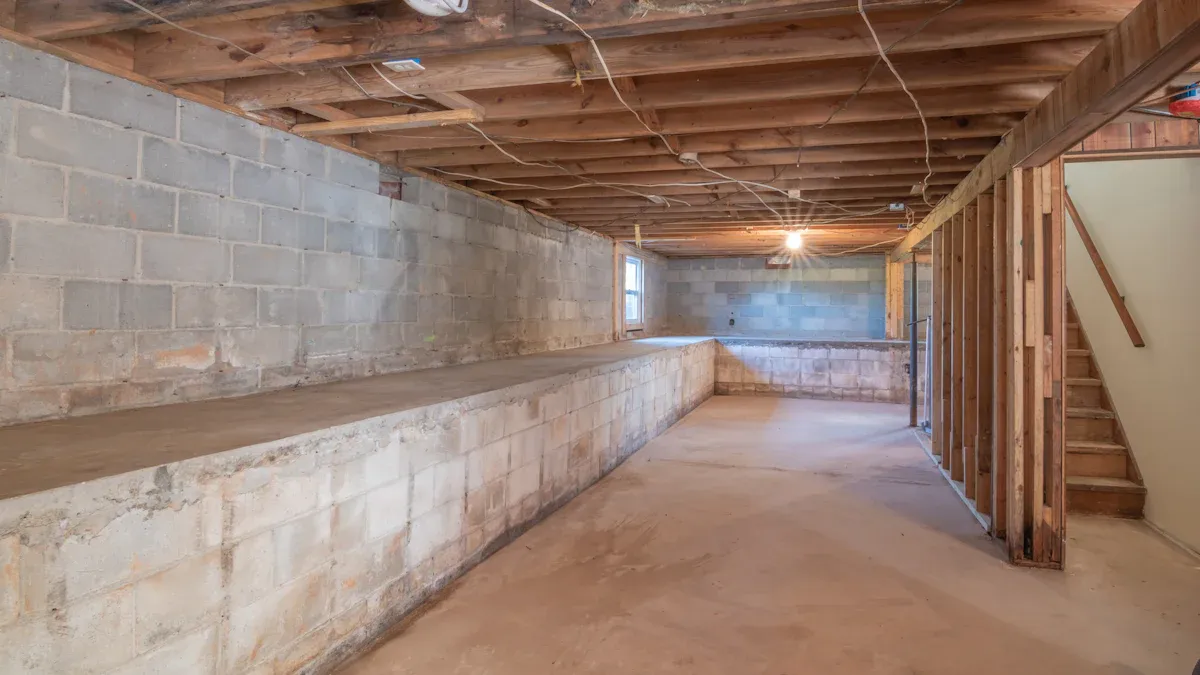
You want your basement to stay dry and healthy. Rigid foam insulation gives you strong moisture resistance. It blocks water from getting into your walls. This helps stop dampness, mold, and rot. Mold grows fast in wet places. If you use insulation that soaks up water, you risk mold and bad smells. Rigid foam insulation does not let water in, so it keeps your basement air clean.
Rigid foam insulation under basement slabs cuts down on summertime condensation.
You see less mold growth and better air quality.
EPS and XPS types work best in moist places because they do not soak up much water.
Foam at the slab can face high humidity all year, but moisture-resistant foam lasts longer.
Tip: Always tape seams and use a good underlayment. This makes your basement floor even stronger and more durable.
You want to save money on your energy bills. Rigid foam insulation helps you do that. It acts as a thermal barrier. This means it slows down heat moving in or out of your home. You lose less heat in winter and keep cool air inside in summer. Upgrading your insulation can lower energy costs by up to 15%. That is a big difference over time.
Rigid foam insulation boards have high R-values per inch. This gives you better thermal performance than many other materials. You meet building codes without making your walls too thick. Spray foam also has high R-values, but it costs more and needs a pro to install. Rigid foam boards cost less and you can put them in yourself. When you install them as a continuous layer, you stop energy loss from thermal bridging.
Insulation Type | R-Value per Inch | DIY Friendly | Cost |
|---|---|---|---|
Rigid Foam Board | 3.6–8.0 | Yes | Lower |
Spray Foam | Up to 7.0 | No | Higher |
Fiberglass Batts | 2.75–5.25 | Yes | Lowest |
Note: A good thermal barrier keeps your home comfortable and helps you lower energy costs every month.
You need to keep outside air and water vapor from getting into your basement. Rigid foam insulation works as both an air and vapor barrier when you install it right. The U.S. Department of Energy says this type of insulation resists water vapor and can act as a vapor retarder. You must seal all seams and joints. This stops air leaks and keeps moisture out.
Experts say XPS and EPS boards work well as vapor retarders and air barriers in basements. A 2-inch XPS board has a vapor permeance that blocks most water vapor but still lets your walls breathe a little. Taping seams and sealing joints make the barrier even stronger. You get better moisture control and thermal performance. If you add a polyethylene sheet or other vapor barrier, you boost protection even more.
Remember: Proper sealing is key. If you leave gaps, air and moisture can sneak in and cause problems.
It is important to think about fire safety with rigid foam insulation board. These boards can catch fire if they touch flames. Polyisocyanurate foam is safer than other rigid foams. But all foam boards must pass tough fire safety tests like NFPA 285. Builders often put fire-resistant drywall, like 5/8" type X, over the foam. This slows down fire if it starts. You can also add mineral wool for more safety. Some foam, like expanded polystyrene, burns faster than others. Polyiso gives off less heat and fewer bad gases than spray foam or EPS. Always follow building rules and use safe materials when you install insulation.
Tip: Always cover foam insulation with drywall or a fire-rated barrier to keep your basement safe.
Rigid foam insulation boards cost more at first than fiberglass. EPS is the cheapest, about $0.25–$0.30 per square foot for a 1-inch panel. XPS costs a little more, and polyiso is the priciest, up to $2 per square foot. Polyiso costs more but has a higher R-value per inch. This means you need less of it. Over time, you save money because rigid foam insulation lasts longer and needs fewer fixes. Polyiso also has better fire resistance, which can lower damage costs if there is a fire. When you plan, think about both the starting price and the money you save later.
Insulation Type | Cost per Sq. Ft. (1") | R-Value per Inch | Durability | Fire Resistance |
|---|---|---|---|---|
EPS | $0.25–$0.30 | 3.6–4.2 | Good | Moderate |
XPS | ~$0.42 | ~5.0 | Very Good | Moderate |
Polyiso | $0.90–$2.00 | ~6.5 | Excellent | Best |
You want your insulation to last and work well. Make sure your basement is dry before you start. Fix leaks or water problems first. Use continuous rigid foam insulation on all basement walls to stop heat loss. Pick EPS or non-foil-faced polyiso so your walls can breathe. This helps stop trapped moisture. Always seal seams and joints tight to block air and water. Raise drywall at least half an inch above the floor. This keeps water from soaking up. Use sill sealers under bottom plates for extra safety. Do not put insulation only in wall cavities. This can cause moisture problems. Watch your basement’s humidity and use a dehumidifier if you need it.
Dry the basement before you start.
Use continuous insulation for best results.
Seal all seams and joints tight.
Raise drywall off the floor.
Use sill sealers under bottom plates.
Pick vapor-permeable foam if you can.
Note: Good installation keeps your basement safe from mold, saves energy, and makes your home more comfortable.
You want your basement to work well. Rigid foam insulation board gives you:
Great control over moisture
Saves lots of energy
Lasts a very long time
If you install it the right way, you get the best results. Pick this insulation for a basement that feels better and is healthier.
XPS works best for most basements. It resists moisture and keeps its R-value over time. EPS costs less but needs extra protection from water. Polyiso gives high R-value but does not work well below ground.
Yes, you can install it yourself. Cut the boards to fit. Attach them to the wall. Seal all seams with tape or spray foam. Always follow safety tips.
Tip: Wear gloves and a mask when cutting foam boards.
Yes, it helps stop mold. The closed-cell structure blocks water from getting inside. Mold needs moisture to grow. Rigid foam keeps your basement dry and healthy.
Most basements need at least 2 inches of rigid foam board. This gives you good R-value and moisture protection. Check your local building codes for exact requirements.
Thickness (inches) | Typical R-Value |
|---|---|
1 | 5.0 |
2 | 10.0 |


