

Inquiry On WhatsApp
+86 15810942923 
Product Classification
Views: 196 Author: Site Editor Publish Time: 2025-08-21 Origin: Site


PIR insulation boards, or polyisocyanurate boards, are a high-performance insulation material widely used in modern construction for their excellent thermal resistance and durability. When planning building projects, it is crucial to consider not only the initial costs but also the entire lifecycle costs, including energy savings, maintenance, and longevity. This article aims to explore how using PIR insulation boards can impact overall building costs over time, highlighting their role in creating more cost-effective and energy-efficient structures.
PIR insulation boards typically come at a higher upfront material cost compared to conventional insulation options such as expanded polystyrene (EPS) or fiberglass. However, this initial investment reflects their superior thermal performance and durability. While the price per square meter may be greater, the enhanced insulation value often allows for thinner layers, which can reduce material quantities needed for the same level of performance.
PIR boards are lightweight and rigid, making them easier and faster to handle during installation. This efficiency can translate into lower labor costs compared to materials that require more time-consuming cutting, fitting, or protective measures, such as fiberglass. Additionally, PIR boards typically require fewer layers and can be cut precisely on-site, further speeding up the installation process and reducing labor expenses.
Several factors influence the initial costs of using PIR insulation boards, including project size, required thickness, and complexity of installation. Bulk purchasing and long-term supplier relationships can also impact material pricing. Furthermore, integrating PIR boards with other building systems, such as vapor barriers or fire protection layers, may add to upfront costs but often results in better overall building performance and cost savings in the long run.
PIR insulation boards are known for their outstanding thermal resistance, characterized by high R-values that effectively reduce heat transfer through building envelopes. This superior insulation minimizes heat loss during cold months and prevents unwanted heat gain in warmer seasons. As a result, buildings require less energy to maintain comfortable indoor temperatures, leading directly to reduced heating and cooling costs.
Because PIR boards enhance a building’s thermal efficiency, HVAC systems can often be designed with smaller capacities. Reduced heating and cooling loads allow for more appropriately sized equipment, which not only lowers initial capital expenditure but also decreases ongoing energy consumption and maintenance requirements. This optimization contributes to significant operational cost savings throughout the building’s life.
Investing in PIR insulation boards leads to substantial long-term financial benefits. The energy savings achieved through better insulation translate into lower utility bills year after year. Additionally, by maintaining consistent indoor temperatures, PIR boards reduce strain on mechanical systems, potentially extending their lifespan and reducing repair costs. These factors combine to make PIR insulation a cost-effective solution for sustainable and economical building operation.
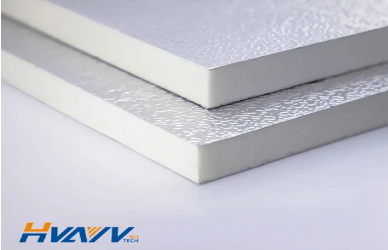
PIR insulation boards are manufactured with a closed-cell structure that provides excellent resistance to moisture absorption, preventing damage caused by water infiltration and mold growth. Their rigid composition also grants high compressive strength, allowing them to withstand mechanical loads without deformation. Furthermore, PIR boards exhibit strong resistance to chemical and environmental degradation, maintaining their insulation properties over time even under harsh conditions.
Due to their durability and moisture resistance, PIR boards require less frequent maintenance than other insulation materials such as fiberglass or mineral wool, which can suffer from settling, compression, or moisture damage. This lower maintenance demand translates into cost savings by minimizing the need for repairs, inspections, and replacements throughout the building’s lifecycle.
The long service life of PIR insulation boards means that buildings insulated with them experience fewer issues that necessitate replacement or costly repairs. Their stable performance ensures consistent thermal efficiency, helping to avoid the expenses associated with insulation failure. Investing in PIR boards upfront can significantly reduce the total cost of ownership over the building’s lifespan.
High-quality insulation, such as PIR insulation boards, plays a significant role in enhancing a building’s overall value. Effective insulation improves energy efficiency, reduces utility costs, and increases occupant comfort, making properties more attractive to buyers and tenants. Well-insulated buildings often command higher prices in the real estate market due to their lower operating costs and better living conditions.
There is a growing demand for energy-efficient and environmentally friendly buildings in both residential and commercial sectors. Buyers and investors increasingly prioritize sustainability features, including superior insulation, when making purchasing decisions. This trend is driven by rising energy costs, stricter environmental regulations, and increased awareness of climate change, all of which boost the market appeal of properties equipped with high-performance materials like PIR boards.
PIR insulation boards are commonly used to meet the requirements of leading green building certification programs such as LEED, BREEAM, and Passive House. Buildings with these certifications benefit from enhanced marketability, potential tax incentives, and improved occupant satisfaction. Incorporating PIR boards helps projects achieve these standards by delivering superior thermal performance and sustainability, thereby increasing the asset’s value and resale potential.
PIR insulation boards help buildings meet or exceed energy efficiency codes and environmental regulations. Their high thermal performance supports compliance with standards such as ASHRAE, IECC, and local green building requirements, reducing the risk of costly penalties or retrofits.
Many governments and utilities offer financial incentives, tax credits, or rebates for installing energy-efficient insulation like PIR boards. These programs can lower upfront costs and improve project ROI, encouraging sustainable construction practices.
Although sustainable building projects may require a higher initial capital outlay, incorporating PIR insulation boards helps generate considerable long-term savings. Their excellent insulation properties reduce overall energy consumption for heating and cooling, which translates to lower utility bills. Additionally, PIR boards’ durability reduces maintenance and replacement costs over the building’s lifespan. Furthermore, investing in eco-friendly materials such as PIR insulation often leads to enhanced building performance and increased property values, effectively offsetting the initial expenses over time and supporting a more sustainable future.
PIR insulation boards offer significant advantages in reducing building lifecycle costs through superior thermal performance, durability, and energy savings. Their resistance to moisture and compression ensures long-lasting insulation effectiveness, minimizing maintenance and replacement expenses. Additionally, PIR boards contribute to higher property values and compliance with environmental standards, making them a smart investment for sustainable construction.
For builders and developers seeking cost-effective, energy-efficient, and environmentally responsible insulation solutions, PIR insulation boards are an excellent choice. To learn more about high-quality PIR insulation products and expert support, consider reaching out to Huayu New Tech (Beijing) International Trade Co., Ltd. Visit www.hypolyol.com for detailed information and professional consultation.


