

Inquiry On WhatsApp
+86 15810942923 
Product Classification
Views: 158 Author: Site Editor Publish Time: 2025-08-27 Origin: Site


Indoor air quality (IAQ) is a critical factor influencing the health, comfort, and productivity of building occupants. Poor IAQ can lead to various health issues, including allergies, respiratory problems, and general discomfort. Several factors affect IAQ, such as moisture levels, presence of pollutants, ventilation, and the materials used within the building. PIR insulation boards play an important role in construction by not only providing excellent thermal insulation but also contributing to healthier indoor environments. Their low emissions, moisture resistance, and ability to create airtight building envelopes help maintain better indoor air quality throughout the building’s lifecycle.
PIR insulation boards are manufactured using advanced chemical formulations designed to minimize the release of volatile organic compounds (VOCs). VOCs are harmful gases emitted by certain building materials that can negatively affect indoor air quality. The low-VOC composition of PIR boards ensures that they emit very few or no harmful substances, making them safer for indoor environments.
By limiting VOC emissions, PIR insulation boards help reduce the concentration of indoor air pollutants. This contributes to healthier air for occupants by minimizing irritation, allergic reactions, and respiratory issues commonly associated with poor air quality. Using low-emission materials like PIR boards supports compliance with strict indoor air quality standards and promotes long-term occupant well-being.
Unlike some traditional insulation materials, such as certain types of fiberglass or spray foam, which can emit higher levels of VOCs or other chemical irritants, PIR insulation boards offer a cleaner alternative. Materials with higher emissions can contribute to “sick building syndrome” and require additional ventilation or treatment to mitigate health risks. Choosing PIR boards helps avoid these issues, providing both effective insulation and improved indoor air quality.
PIR insulation boards are manufactured with a dense closed-cell foam structure. This design effectively blocks water absorption and vapor penetration, ensuring moisture does not easily pass through the insulation layer. This resistance helps maintain the board’s thermal performance and prevents water-related damage to the building structure.
Moisture accumulation within walls or ceilings creates ideal conditions for mold and mildew to thrive. By limiting moisture infiltration, PIR insulation boards reduce dampness and condensation risks. This control is crucial because mold growth can lead to structural deterioration, unpleasant odors, and serious health issues for occupants such as allergies and respiratory problems.
Preventing mold is essential for maintaining good indoor air quality. Mold spores can become airborne, negatively affecting the health and comfort of building occupants. PIR insulation boards, with their excellent moisture resistance, help create a dry, safe indoor environment. This contributes to improved occupant well-being and prolongs the lifespan of the building materials.
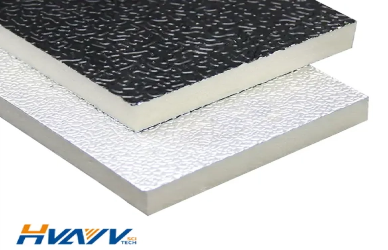
PIR insulation boards contribute significantly to the airtightness of a building envelope due to their rigid, continuous panels and tight fitting characteristics. When properly installed, these boards minimize gaps and seams where air could pass through, creating a strong barrier that reduces uncontrolled airflow between the interior and exterior environments.
Reducing air leaks is critical in preventing the infiltration of outdoor pollutants such as dust, pollen, vehicle emissions, and other contaminants. PIR insulation boards help seal the building envelope effectively, limiting the entry of these harmful substances. This airtightness also reduces drafts and improves overall energy efficiency by preventing the loss of conditioned indoor air.
By controlling air infiltration, PIR insulation boards help maintain stable and healthy indoor air quality. Consistent indoor air reduces fluctuations in temperature and humidity, which can otherwise promote mold growth or create discomfort. An airtight building envelope also allows for better control of mechanical ventilation systems, ensuring fresh and filtered air is delivered efficiently to occupants.
PIR insulation boards provide excellent thermal resistance, helping maintain stable indoor temperatures regardless of external weather conditions. This stability reduces sudden temperature swings that often cause indoor humidity to fluctuate. By keeping temperatures consistent, PIR boards help prevent excess moisture buildup in the air, which can lead to dampness and related issues.
Maintaining thermal comfort is crucial not only for occupant well-being but also for indoor air quality (IAQ). When indoor temperatures are stable and comfortable, occupants are less likely to open windows frequently, reducing the chance of outdoor pollutants entering the space. Furthermore, balanced temperatures reduce reliance on heating or cooling systems running excessively, which can sometimes circulate dust and allergens if not properly maintained.
Condensation occurs when warm, moist indoor air contacts cold surfaces, leading to water accumulation. PIR insulation boards’ high thermal resistance helps keep interior surfaces warm, minimizing the occurrence of cold spots where condensation can form. By reducing condensation, PIR boards prevent mold growth and moisture-related damage, thereby preserving both structural integrity and healthy indoor air quality.
PIR insulation boards are designed and manufactured to comply with various health and safety regulations focused on indoor air quality (IAQ). They meet stringent building codes and certification standards such as LEED (Leadership in Energy and Environmental Design), WELL Building Standard, and other regional IAQ guidelines. These certifications ensure that PIR boards contribute to creating healthier indoor environments by limiting harmful emissions and promoting moisture control.
By adhering to these standards, PIR insulation boards help reduce exposure to indoor pollutants like volatile organic compounds (VOCs), mold spores, and airborne irritants. This leads to improved respiratory health, fewer allergy symptoms, and enhanced overall comfort for building occupants. Choosing PIR boards supports healthier living and working spaces, contributing positively to occupant productivity and well-being over the building’s lifecycle.
Ensure tight sealing of all joints and edges using compatible tapes and adhesives to prevent air leaks and moisture intrusion. Handle PIR boards carefully to protect their closed-cell structure, maintaining moisture resistance and low emissions for better indoor air quality.
Combine PIR insulation with proper ventilation and moisture control, such as vapor barriers and mechanical systems (e.g., HRVs). This helps control humidity, reduce condensation, and maintain healthy indoor air while improving energy efficiency.
PIR insulation boards play a vital role in enhancing indoor air quality by offering low emissions, excellent moisture resistance, and superior airtightness. Their closed-cell structure prevents moisture infiltration and reduces the risk of mold growth, while their ability to create a tight building envelope minimizes the entry of outdoor pollutants. Together, these qualities help maintain a healthier and more comfortable indoor environment.
For builders, developers, and homeowners aiming to improve both energy efficiency and indoor air quality, choosing PIR insulation boards is a smart, long-term investment. To explore high-quality PIR insulation solutions and professional guidance, consider reaching out to Huayu New Tech (Beijing) International Trade Co., Ltd. Their expertise and product range can support your goals for sustainable, healthy building projects.


